Aluminum vs. Magnesium vs. Zinc Alloys: Which One Should You Choose?
When it comes to selecting the right material for manufacturing components, aluminum alloys, magnesium alloys, and zinc alloys are often top contenders. Each of these materials brings unique strengths to the table—and the best choice depends on your project’s needs for weight, strength, corrosion resistance, and manufacturing ease. In this article, we break down the key differences between these three popular metal alloys to help you make the right decision.
Weight and Density: Magnesium Leads in Lightness
If weight is a top concern, magnesium alloys are the lightest of the three. With a density of around 1.74 g/cm³, magnesium is ideal for industries like Automotive and aerospace, where every gram matters. Aluminum alloys come next at about 2.7 g/cm³, offering a solid balance between weight and strength. Zinc alloys, on the other hand, are much denser (around 6.6 g/cm³), making them heavier but excellent for applications where weight isn't a primary concern.
Strength and Mechanical Performance
Aluminum alloys are well-known for their high strength-to-weight ratio, making them a common choice for structural parts. Depending on the grade, aluminum can offer tensile strengths between 200 to 600 MPa. Magnesium alloys are also strong, with similar tensile strength ranges, but they can be more brittle and require surface treatments to prevent corrosion. Zinc alloys are typically used for less demanding applications; while not as strong, they offer outstanding castability for intricate designs.
Corrosion Resistance
Corrosion resistance is another critical factor, especially for outdoor or Marine applications. Aluminum naturally forms a protective oxide layer, giving it good corrosion resistance in most environments. Magnesium is more vulnerable and often needs coatings or alloying elements to prevent degradation. Zinc, while not as strong, is excellent in resisting corrosion—so much so that it’s often used as a coating to protect steel in galvanization.
Manufacturing and Machinability
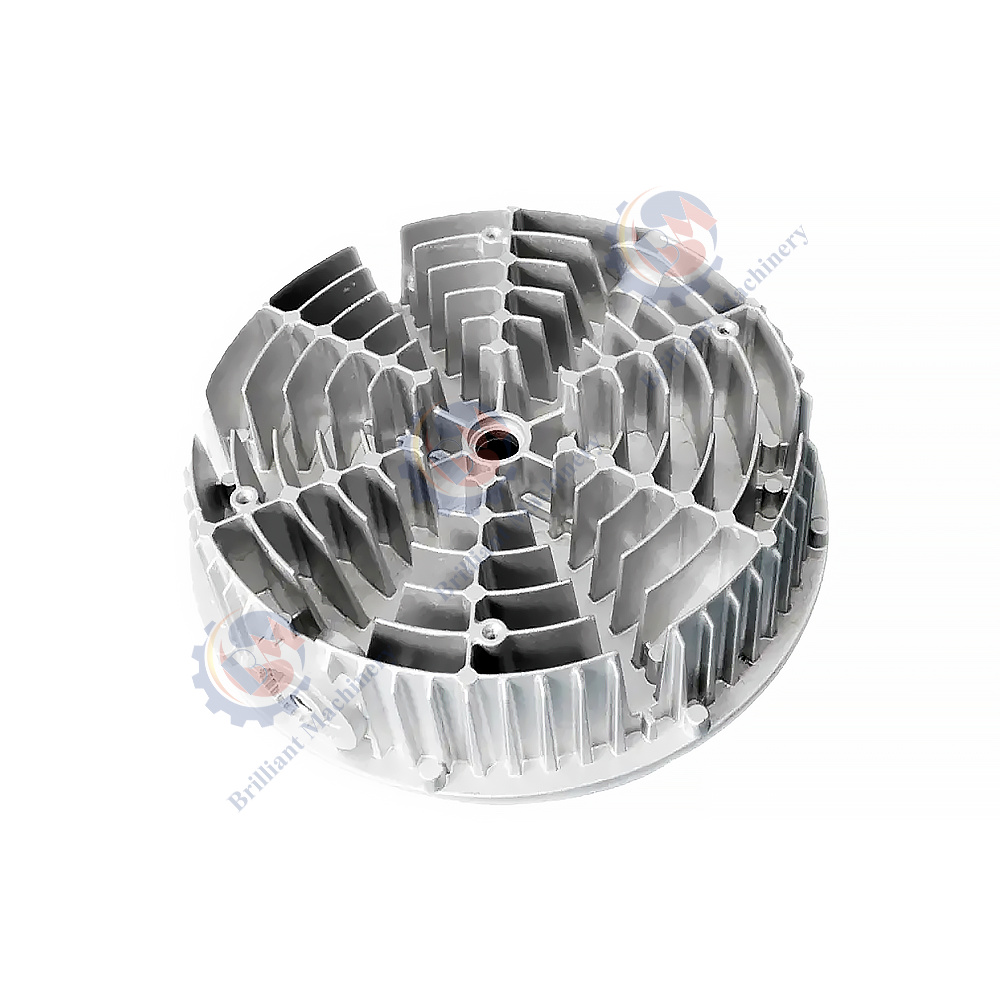
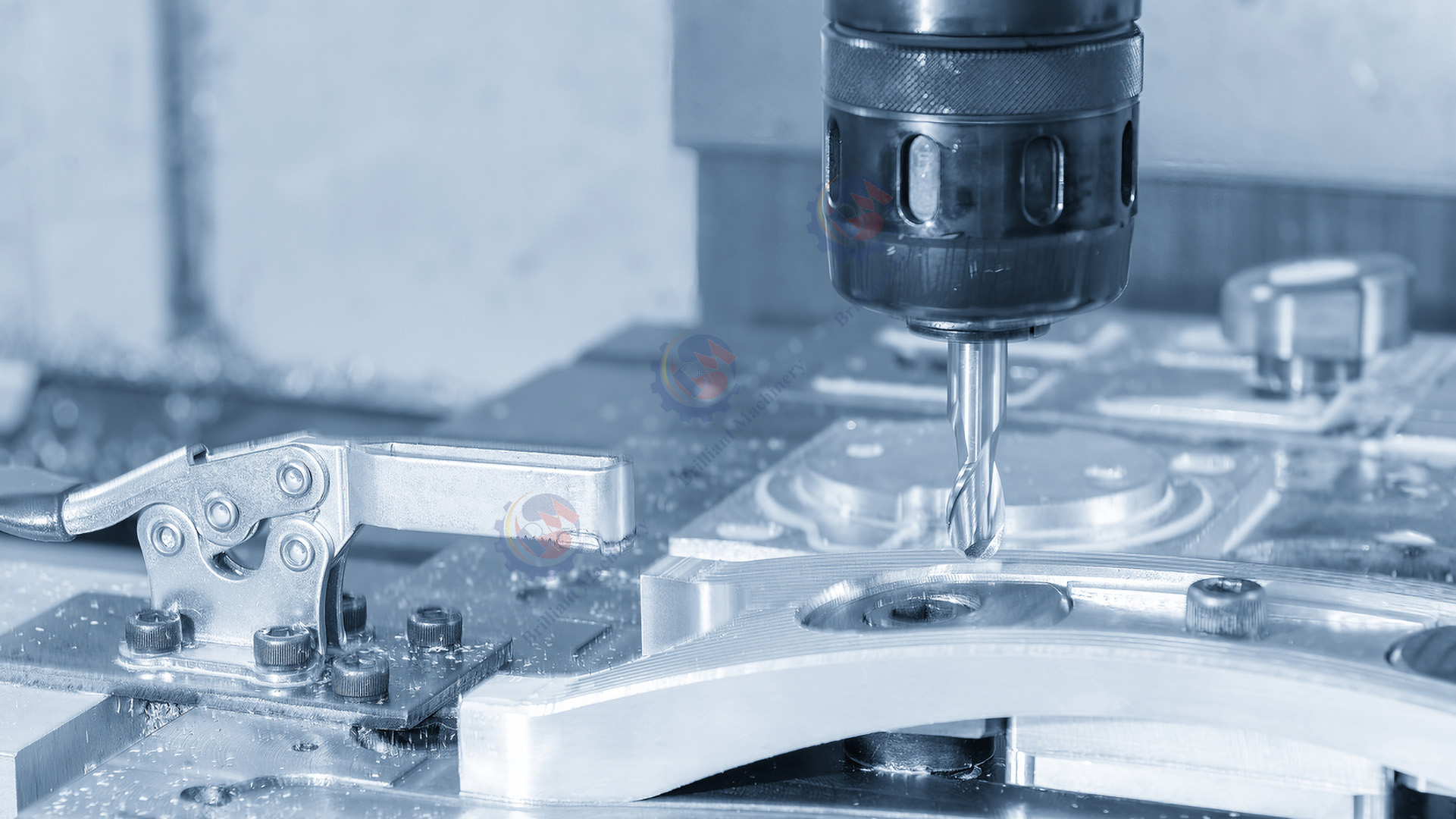
In terms of ease of manufacturing, zinc alloys are the most cast-friendly. Their low melting points and excellent fluidity make them perfect for high-volume, detailed die-casting. Aluminum alloys are versatile—suitable for casting, forging, machining, and extrusion. Magnesium alloys, although requiring careful handling due to flammability in powder or chip form, offer excellent machinability and die-casting performance for thin-walled parts.
Common Applications
Final Thoughts